

Tatiana Schlossberg, an environmental journalist, author, and granddaughter of President John F. Kennedy, has died at 35 after a highly publicized battle with an aggressive form of blood cancer. Her family announced her death on Tuesday through the John F. Kennedy Library Foundation, saying in a brief statement, “Our beautiful Tatiana passed away this morning. She will always be in our hearts.” The message was signed by her husband, George Moran, their children, and her immediate and extended family.
Schlossberg’s death comes just weeks after she publicly revealed in The New Yorker that she had been diagnosed with acute myeloid leukemia, a fast-moving blood cancer, with a rare mutation typically seen in older patients. She wrote that she had been given less than a year to live with the mutation, known as Inversion 3, making the disease especially difficult to treat.
Battle with leukemia
Schlossberg wrote that doctors first detected abnormalities in her blood counts shortly after the birth of her second child in May 2024, when a physician noticed her extremely elevated white blood cell levels. What initially could have been dismissed as a pregnancy-related complication instead led to a cascade of tests that confirmed leukemia at a moment when she was recovering from childbirth and caring for a toddler at home.
Her treatment included extended hospitalizations, intensive chemotherapy, and at least one stem cell or bone marrow transplant, including a donation from her sister, Rose Schlossberg. In her essay, Schlossberg wrote candidly of the dissonance of facing a terminal diagnosis despite having considered herself exceptionally healthy, noting her regular runs in Central Park and even a past swim across the Hudson River to raise money for blood cancer research.
Journalist and author
Born and raised in New York City, Schlossberg was the middle child of Caroline Kennedy and artist-designer Edwin Schlossberg. She grew up largely outside the direct political spotlight, even as she remained part of one of America’s most scrutinized families.
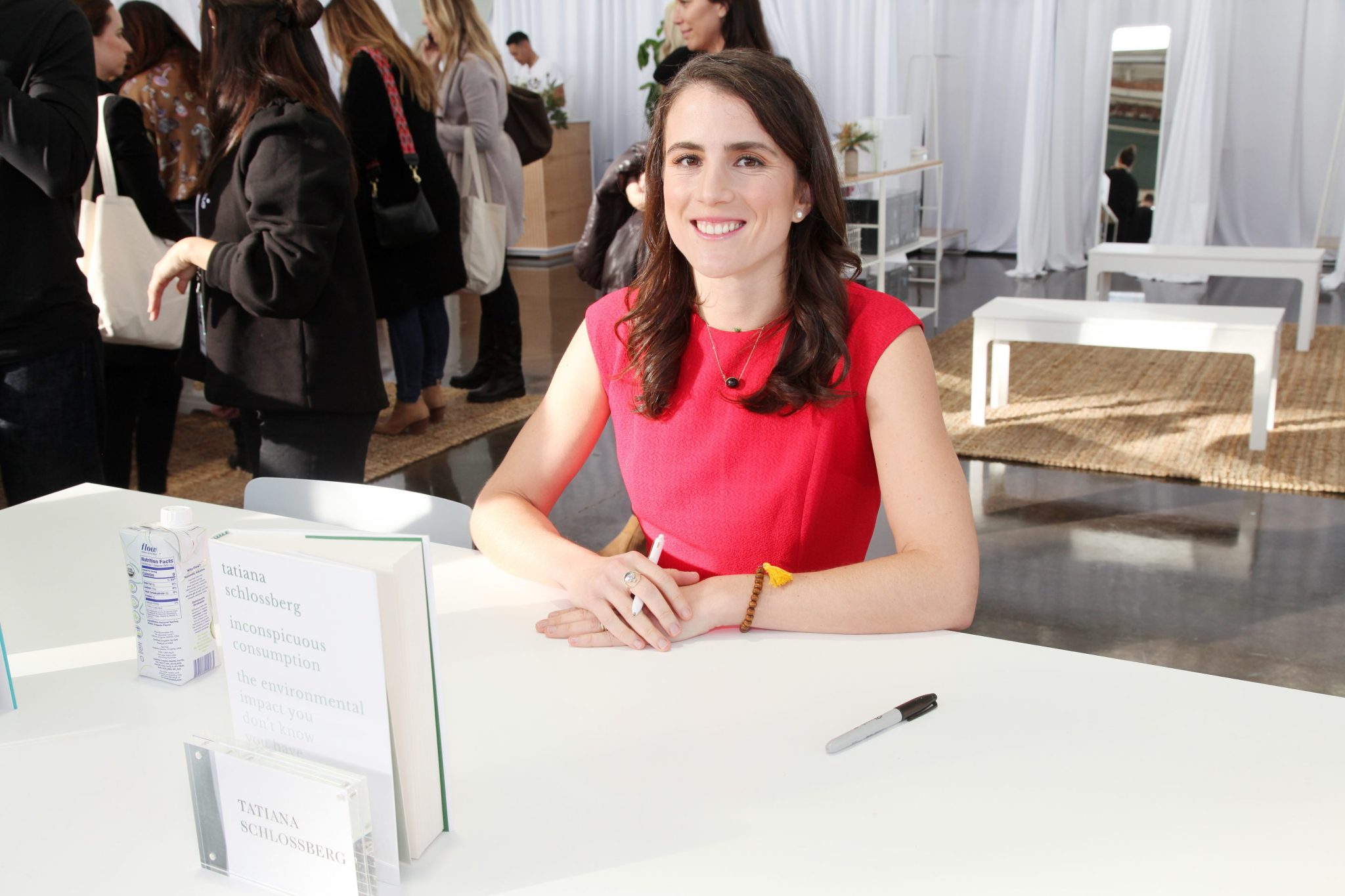
A graduate of Yale University with further study at the University of Oxford, Schlossberg built a career focused on environmental issues and climate change. She worked as a science and climate reporter at The New York Times and also contributed to outlets including The Atlantic and The Washington Post. In 2019, she published the book Inconspicuous Consumption: The Environmental Impact You Don’t Know You Have, examining how everyday habits drive global pollution and warming.
Earlier in her career, she reported for The Record in northern New Jersey, where she covered everything from crime to severe weather and was recognized as Rookie of the Year by the New Jersey Society of Professional Journalists in 2012.
A complex public voice
In her New Yorker essay and other remarks, she criticized policies advanced by her cousin, Health and Human Services Secretary Robert F. Kennedy Jr., arguing that his approach to public health and research funding was harmful and “an embarrassment” to her and the rest of the family.
She wrote about spending more and more of her life under the care of doctors, nurses, and researchers, while “Bobby cut nearly half a billion dollars for research into mRNA vaccines, technology that could be used against certain cancers,” in addition to slashing billions in funding from the National Institutes of Health. She wrote that she worried about funding for leukemia and bone-marrow research at Memorial Sloan Kettering, where she was receiving care, and that some trials that her cousin was threatening were her only chance at achieving remission of her cancer.