

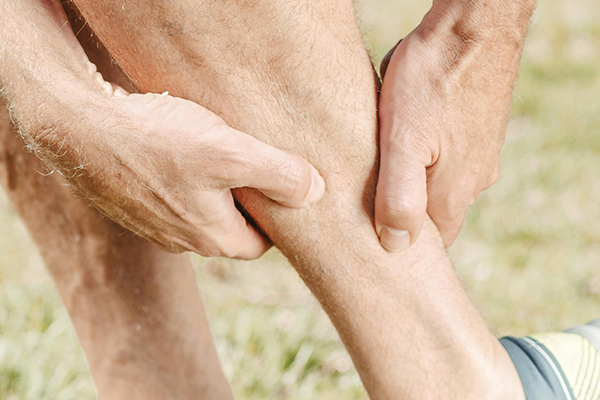
If you’ve ever been jolted awake by a muscle cramp in the middle of the night, you know just how painful and frustrating they can be, possibly leaving you sore for hours after the unwelcome surprise. Unlike typical muscle soreness, muscle cramps can strike unexpectedly extreme intensity, often when you’re sound asleep, or sometimes when you’re going about your daily activities or working out.
Muscle cramps result from sudden involuntary muscle contractions, commonly in the calf or foot but can also occur in hands, thighs and other skeletal muscles. The cramp can originate in the muscle itself or be triggered by the nervous system due to overstimulation of certain motor neurons or hyperexcitability of nerve endings. Though they seem to come on out of the blue, exploring common causes can help take steps to keep them at bay.
Ever wake up with a painful muscle cramp? Discover what causes cramps, how to prevent them, and possible remedies to stop the squeeze. #MuscleCramps #HealthTips #SASlife Click To Tweet
Risk Factors
Muscle cramps are often linked to muscle fatigue, overexertion, dehydration, or imbalances in electrolytes, but there are additional contributors. Let’s take a closer look at risk factors.
- Intense Physical Activity – Overworked or tired muscles are more likely to spasm or cramp, especially during or after exercise.
- Dehydration – Muscles need enough water and electrolytes (e.g., sodium, potassium, magnesium, calcium) to function smoothly.
- Inactivity – Sitting still or lying in certain positions for long periods can decrease blood flow to certain muscles and/or put pressure on nerves.
Other risk factors include:
- Neurological Factors – Spinal cord issues, nerve compression, altered neuromuscular signaling.
- Pregnancy – Increases pressure on nerves and blood vessels and can disrupt electrolyte balance.
- Older Age – Associated with weaker muscles and decreased elasticity of tendons.
- Certain Medications – Including some blood pressure medications, antidepressants, antipsychotics, asthma medications, statins, pain medications, and hormone therapies.
- Underlying Medical Conditions – Such as diabetes, kidney disease, liver disease, vascular disease, some heart problems, thyroid dysfunction.
- Nutrient Deficiencies – Including low levels of vitamin B6, B12 or D, minerals (potassium, sodium, magnesium, calcium), and carnitine, especially in people with specific health conditions. For example, carnitine deficiency often affects people with liver or kidney disease.

Can supplements prevent muscle cramps?
Here’s what science says:
- Magnesium – Though magnesium supplements alone haven’t shown conclusive benefits for cramps in studies, many people simply don’t get enough in their diet. It is generally a safe supplement to try, and some people find it helpful in oral or topical (e.g., cream, spray) form.
- Vitamin B complex – Some sources recommend a B complex that contains 30-50 mg vitamin B6 for muscle cramp remission. Be aware that individual needs and tolerance vary. Elevated B6 levels can lead to neurological side effects, so it is important to check in regularly with your health care provider if you take a B complex for longer than 6 months or take more than 50 mg of vitamin B6 daily.
- Vitamin E – 400 units of vitamin E seems to be effective in those with kidney disease on dialysis. UpToDate recommends 800 units at bedtime as an option for nocturnal leg cramps.
- Vitamin K2 (MK-7 form) – Doses around 180 μg may significantly reduce nighttime leg cramps in older adults, with noticeable improvement in just a few weeks.
- L-carnitine – Supplementation seems helpful for people with liver disease who have muscle cramps.
- Biotin, creatine, licorice, MSM, passionflower, and other supplements have also been studied for effectiveness on muscle cramp prevention without clear evidence to support their use.
It may take several weeks to determine whether a supplement is working for you. Check with your healthcare provider and/or registered dietitian before starting a new supplement, especially if you have underlying health conditions or take medications. Finding the right combination for you can take some trial and error.

Before turning to supplements, build a strong foundation for avoiding muscle cramps
- Move frequently and increase exercise gradually.
- Stretch regularly to keep muscles flexible and promote proper blood flow.
- Wear supportive shoes to keep your muscles aligned and reduce strain.
- Adjust your sleep position to allow good blood flow and muscle relaxation.
- Stay hydrated by drinking water throughout the day, with extra emphasis the hour or two before and after you exercise.
- If you exercise in extreme heat and/or sweat excessively consider adding electrolytes to your water.
- Limit alcohol and excessive caffeine which promote dehydration and irritate muscles.
- Eat well-balanced meals to get the nutrients and minerals needed for proper muscle contraction and relaxation.
Quick Relief When a Muscle Cramp Strikes
- Massage and/or stretch the muscle and nearby muscle groups.
- Use a heating pad or warm Epsom salt bath while the muscle is tense.
- Apply cold compress to the area for no more than 20 minutes at a time.
Are home remedies worth a try?
- 2-3 ounces of pickle juice may help shorten cramps when sipped at the start of a spasm by activating nerve pathways in the mouth and throat in people who are low in electrolytes, particularly sodium.
- Tonic water contains a very small amount of quinine, an ingredient which may act as a muscle relaxant, but the medication quinine isn’t recommended due to possible serious side effects and the amount in tonic water is likely too low to be effective.
- A spoonful of mustard has been claimed to alleviate muscle cramps, likely due to its vinegar content which may stimulate nerve receptors and distract from pain. Anecdotal reports suggest temporary relief, but no clinical studies at this time confirm its efficacy for muscle cramps.
Pickle juice and mustard seem to have the most anecdotal support, are not harmful and don’t cost much, so feel free to give them a try if they are within reach the next time a muscle cramp sneaks up on you.
The Bottom Line
Muscle cramps are common, and while they can be a nuisance, most are manageable. Cramps that are frequent or accompanied by weakness, numbness, swelling, or dark urine could signal a more serious problem needing prompt medical attention. Otherwise, regular movement and stretching, adjusting your sleeping position, the right footwear, proper hydration, and a well-rounded eating pattern are practical approaches you can try first.
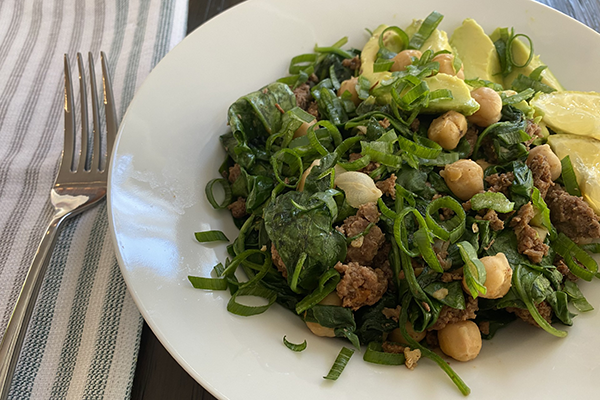
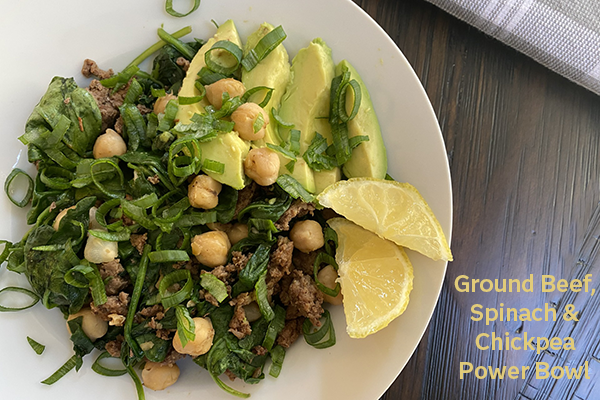
Ground Beef, Spinach & Chickpea Power Bowl
Makes 4 servings
PRINT RECIPE
This satisfying skillet recipe is simple enough for easy weeknight dinners or batch cooking lunches and is packed with many of the nutrients supportive of proper muscle contraction and relaxation. The ground beef delivers vitamin B12, B6, and L-carnitine; chickpeas add magnesium and B6; spinach boosts potassium and magnesium; and avocado rounds it out with healthy fats, B6, and more potassium.
Ingredients
½ to 1 Tbsp avocado oil
1 medium onion, diced
2 cloves garlic, minced
1 lb lean ground beef or bison, preferably grass-fed
1 can chickpeas, drained and rinsed
10 oz (about 10 cups) fresh baby spinach, it cooks down a lot
1 tsp smoked paprika
1 tsp ground cumin
½ tsp salt, adjust to taste
½ tsp black pepper
1 avocado, sliced
sliced green onion (optional for garnish)
squeeze of lemon or lime for brightness (optional)
Instructions
- Heat a large skillet over medium‑high heat. Add avocado oil and diced onion and cook 3–4 minutes until softened. Add garlic and cook for 30 seconds until fragrant.
- Add the ground beef. Cook 5–7 minutes, breaking it up until browned.
- Add smoked paprika, cumin, salt, and pepper. Stir to coat the beef evenly.
- Pour in the drained chickpeas.
- Add the spinach in batches. Stir until fully wilted and incorporated into the skillet.
- Spoon the mixture into bowls. Top with fresh avocado slices, sliced green onion and a squeeze of lemon or lime.