

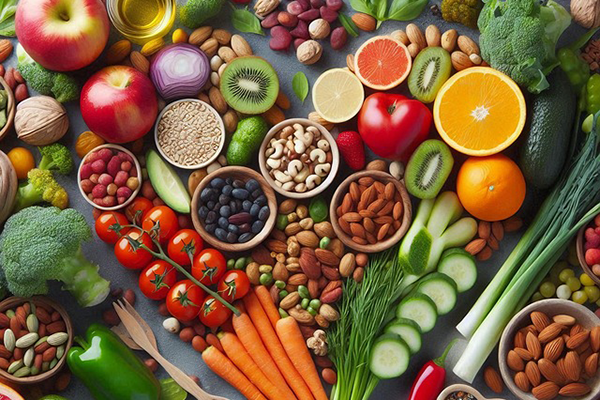
A heart-healthy eating plan doesn’t have to be complicated. In simple terms, center your meals around real, whole foods and cut back on packaged, processed foods to help optimize heart health and cholesterol. So how do you put that into practice? Use the tips below to help you eat your way to a stronger heart.
Eat your way to a stronger heart with these 10 tips! #HeartHealth #GoRed #saslife Share on X
Vegetables are loaded with powerful antioxidants, nutrients and fiber that support heart health by preventing excess oxidation, reducing inflammation, providing fiber to help manage cholesterol, and much more.
Aim for a colorful variety of non-starchy vegetables each day. Non-starchy vegetables contain very few carbohydrates and include most vegetables except corn, peas and potatoes.
Eating a lot of sugar and processed carbohydrates can contribute to weight gain, inflammation, elevated glucose and insulin, and high triglycerides and LDL cholesterol – all of which increase heart disease risk.
Added sugar – such as table sugar, honey, syrups, agave, etc. – is put into a food or drink during processing. These sugars do not occur naturally and should be limited as much as possible.
Processed carbohydrates – such as white flour, white rice, chips, candy, etc. – are sugar and starches that have been refined in ways that strip away beneficial nutrients and fiber. These should also be limited.
Start cutting back by reducing processed foods overall and reading labels carefully for hidden sugars, sweeteners, and processed carbs. Choose nutrient dense carbohydrates in appropriate portions for your body, such as steel cut oats, brown rice, sweet potatoes, butternut squash and berries. These intact whole grains and whole foods can help support healthy LDL (“bad”) cholesterol.
When it comes to heart health, you don’t need to avoid fats – but you should pay attention to the quality of the fats you’re consuming.
Unsaturated fats – from foods like raw nuts and seeds (especially walnuts and almonds), avocados, olives and extra virgin olive oil – can help support healthy cholesterol levels. Choose these most often.
Saturated fats can have certain health benefits but can be easily overdone and negatively impact LDL cholesterol levels. Use small amounts of grass-fed butter or ghee or organic virgin coconut oil and don’t stress too much about the naturally occurring saturated fat in whole foods like grass-fed dairy products. Choose these in moderation.
Industrialized oils – like those extracted from soybeans, corn, rapeseed, cottonseed and safflower seeds – are pro-inflammatory. Trans-fat – found in partially hydrogenated oils – can lower good cholesterol and increase bad cholesterol. Avoid these if you can.
When possible, choose whole food sources of fat. For packaged items, read labels carefully so you understand how much and what types of fat are included.
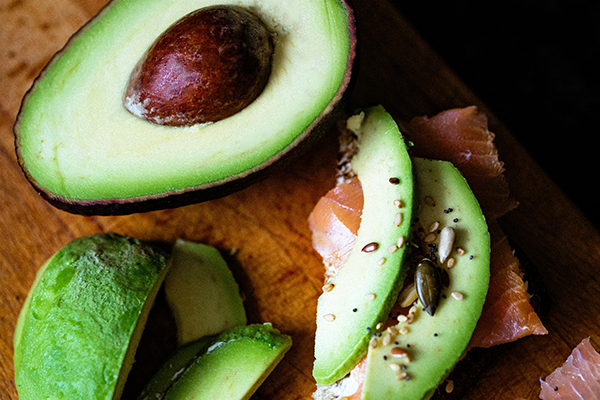
Fatty fish like salmon, sardines, and herring are rich in omega-3 fats that have been shown in some studies to decrease LDL cholesterol, increase HDL cholesterol, and lower triglycerides.
The American Heart Association recommends eating at least two 3oz servings of omega-3 rich fish per week. For those with heart disease, some experts recommend 4 servings per week.
Plant sources like flax, chia, walnuts, and hemp seeds also contain omega-3s, but they don’t provide enough EPA and DHA on their own. If you don’t eat fish regularly, talk with a Registered Dietitian or health care provider before considering a supplement, as product quality varies.
Protein should be a priority at every meal. Adequate protein supports steady glucose and insulin levels, increases satiety (which can make portion control easier), and maintains muscle mass.
Aim for ¼ of your plate to be protein (roughly 3.5-5 ounces or about 30g per meal). Choose a variety of high-quality options like grass-fed/pasture-raised meats, wild caught fish and plant-based proteins (e.g., tempeh, tofu, beans, lentils).
Limit or avoid highly processed meats such as hot dogs, bacon, sausage and deli meats. These foods increase the risk of cardiovascular disease because of their high levels of sodium, unhealthy fats and preservatives.
Our bodies need sodium, but too much can raise blood pressure and increase the risk of heart disease and stroke.
Sodium needs vary greatly from person to person. However, the American Heart Association suggests a general guideline of 1,500 – 2,300 mg of sodium per day.
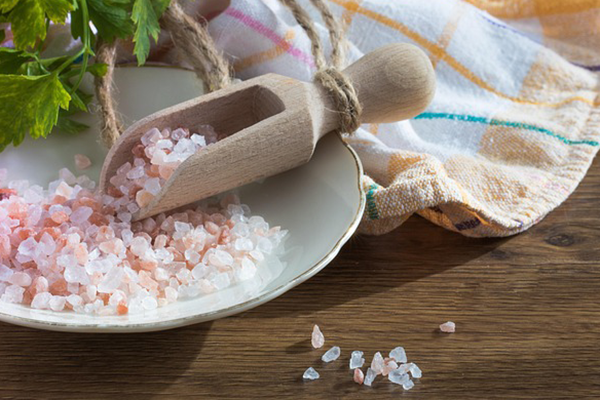
Reducing packaged, processed food and eating out less is a great way to start lowering your sodium intake. When cooking, use herbs and spices to add flavor without relying on extra salt.
Magnesium and potassium play important roles in supporting healthy blood pressure, yet many people fall short on both.
Eating mostly whole foods naturally increases magnesium and potassium, while reducing sodium, creating a more optimal balance for healthy blood pressure.
Aim for around 500mg of magnesium per day (from food sources). Dark leafy greens, pumpkin seeds and sesame seeds are some of the richest sources of magnesium.
Aim for around 5g of potassium per day (from food sources). Dark leafy greens and many fruits and vegetables are good sources of potassium.
Overeating can lead to weight gain and raise glucose, cholesterol and blood pressure – all of which increase the risk of heart disease.
Learn what appropriate portions look like for your body so you can create better balanced plates. Simple strategies like using smaller plates and bowls, eating slowly and mindfully, and taking a sip of water between bites can make portion control easier. Staying present while you eat also helps you stay in tune with your body’s hunger and fullness cues, decreasing the likelihood of overeating.
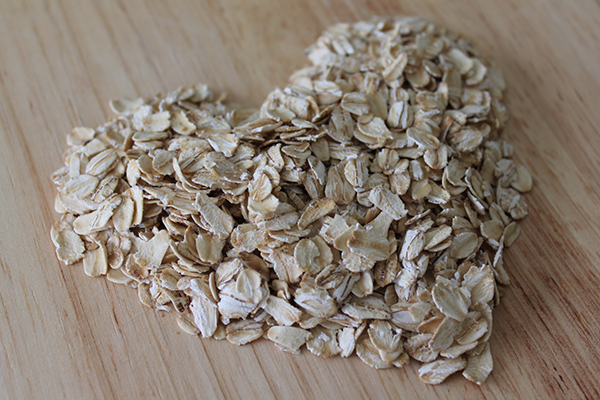
Fiber – especially soluble fiber found in oats, apples, beans, chia seeds, and barley – helps lower cholesterol by binding to it in the digestive tract. It also supports healthy glucose levels and increases satiety, which can make portion control easier.
One study found that for every 10 grams of fiber added to the diet, the risk of dying from heart disease went down by 17-35%! Plus, foods naturally high in fiber also tend to be rich in vitamins, minerals and phytonutrients that further support heart health.
Aim for 25-30 grams of fiber daily by eating a variety of fruits, vegetables, whole grains and legumes. Need inspiration? Check out Five Days of Fiber.
Although some studies suggest that small amounts of alcohol may have certain heart-related benefits, if you don’t currently drink, there’s no reason to start – the risks generally outweigh any potential advantages.
According to the American Heart Association, “heavier alcohol consumption (≥3 drinks/day) is consistently associated with worse outcomes in every cardiovascular disease studied.”
Moderation is key. If you choose to drink, enjoy an occasional alcoholic beverage, but avoid overdoing it.
Focusing on whole foods, choosing quality fats, carbohydrates and proteins, staying mindful of portions, and nourishing your body with fiber- and mineral-rich foods creates a strong foundation for cardiovascular wellness. It’s also important to manage stress, move your body, not smoke, and get quality sleep.
Caring for your heart is about making consistent, intentional choices that support your long-term health. Start with one or two habits that feel doable and build from there, one heart-healthy step at a time.
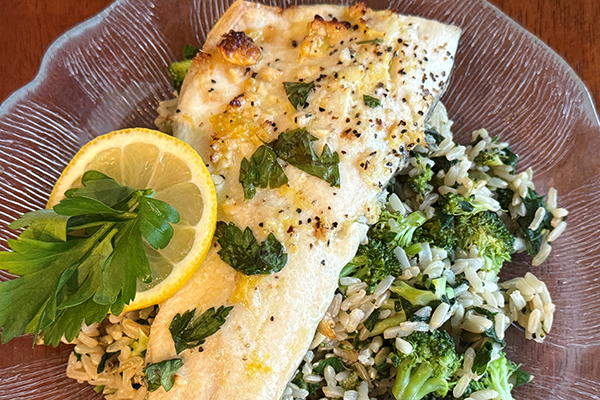
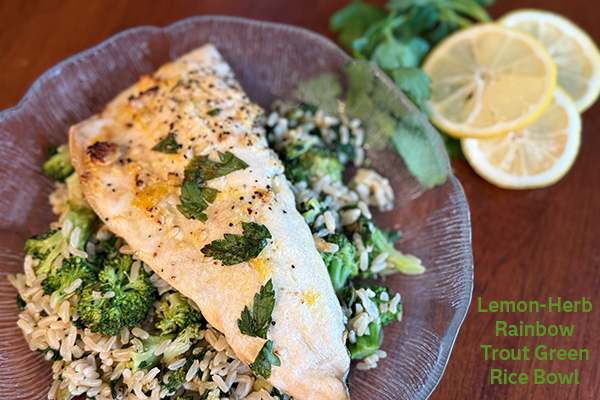
Lemon-Herb Rainbow Trout Green Rice Bowl
Makes 2 servings
Ingredients
For the Trout
2 rainbow trout fillets (~4oz each)
1-2 tsp olive oil
1 lemon (zest + juice, divided)
1 clove garlic, minced
1 Tbsp chopped fresh parsley
salt and pepper, to taste
For the Green Rice
1 cup cooked brown rice
1 cup finely chopped spinach or Swiss chard
¼ cup chopped parsley
2 tsp olive oil
1 Tbsp pumpkin seeds
1 cup diced steamed broccoli
1-2 Tbsp fresh lemon juice
salt and pepper, to taste
Instructions
- Pre-heat oven to 400°F and line a baking sheet with parchment paper.
- Place trout on baking sheet and drizzle with olive oil, zest of 1 lemon, garlic, parsley, salt and pepper. Finish with a squeeze of fresh lemon juice.
- Bake 10-12 minutes or until the fish flakes easily.
- While the trout is baking, warm 2 tsp olive oil in a skillet over medium heat.
- Add spinach or Swiss chard and cook 1-2 minutes until wilted. Stir in cooked rice, parsley, steamed broccoli and pumpkin seeds. Add lemon juice, salt and pepper.
- Warm through and taste, adjusting seasonings if needed.
- Spoon green rice into bowls. Top with baked trout. Finish with a squeeze of lemon.