

The Kremlin sounded the alarm on its deteriorating finances earlier this year, just as its war on Ukraine pivoted dramatically against Russian forces.
According to a letter seen by the Financial Times, Russia’s finance ministry estimated in Feb. that spending on Vladimir Putin’s war was on pace to exceed its budget by at least 2 trillion rubles this year, or about $28 billion, with a more negative scenario putting that figure at 4 trillion rubles.
The ministry also put war-related overspending at 4 trillion rubles in 2027 and 2028, while asking the cabinet to freeze trillions in non-defense outlays in the coming years.
The projected explosion in war costs comes as Russia’s budget deficit was quickly diving deeper into negative territory. The Kremlin had earlier seen a deficit of 3.8 trillion rubles for all of 2026, but it’s already 5.9 trillion rubles in the first four months of the year, according to the FT.
The deficit outlook has worsened so much that the finance ministry asked government agencies to cut non-essential spending by 10%. Economic growth is also stagnating, with GDP expected to tick up just 0.4% this year, down from a previous view for 1.3%.
As Russia’s finances go further into the red, the government has been forced to tap reserves in its wealth fund. But that is rapidly dwindling too. Meanwhile, high war-related inflation has kept interest rates high and is stoking fears of a debt crisis among companies and consumers.
The spike in oil prices since the U.S.-Israeli war on Iran started in late February has helped Russia’s finances since the letter was sent. But Finance Minister Anton Siluanov has said recently that surplus revenue from energy exports in April was basically offset by weak revenue in March. Meanwhile, the Kremlin’s payments to domestic oil companies to cap fuel price hikes have also limited the benefit from oil.
Ukraine’s game-changer
The Kremlin’s February warning coincided with a pivotal moment in Russia’s war on Ukraine. That same month, SpaceX cut off the Russian military’s ability to use Starlink internet connections to launch drones, drastically reducing their ability to hit targets.
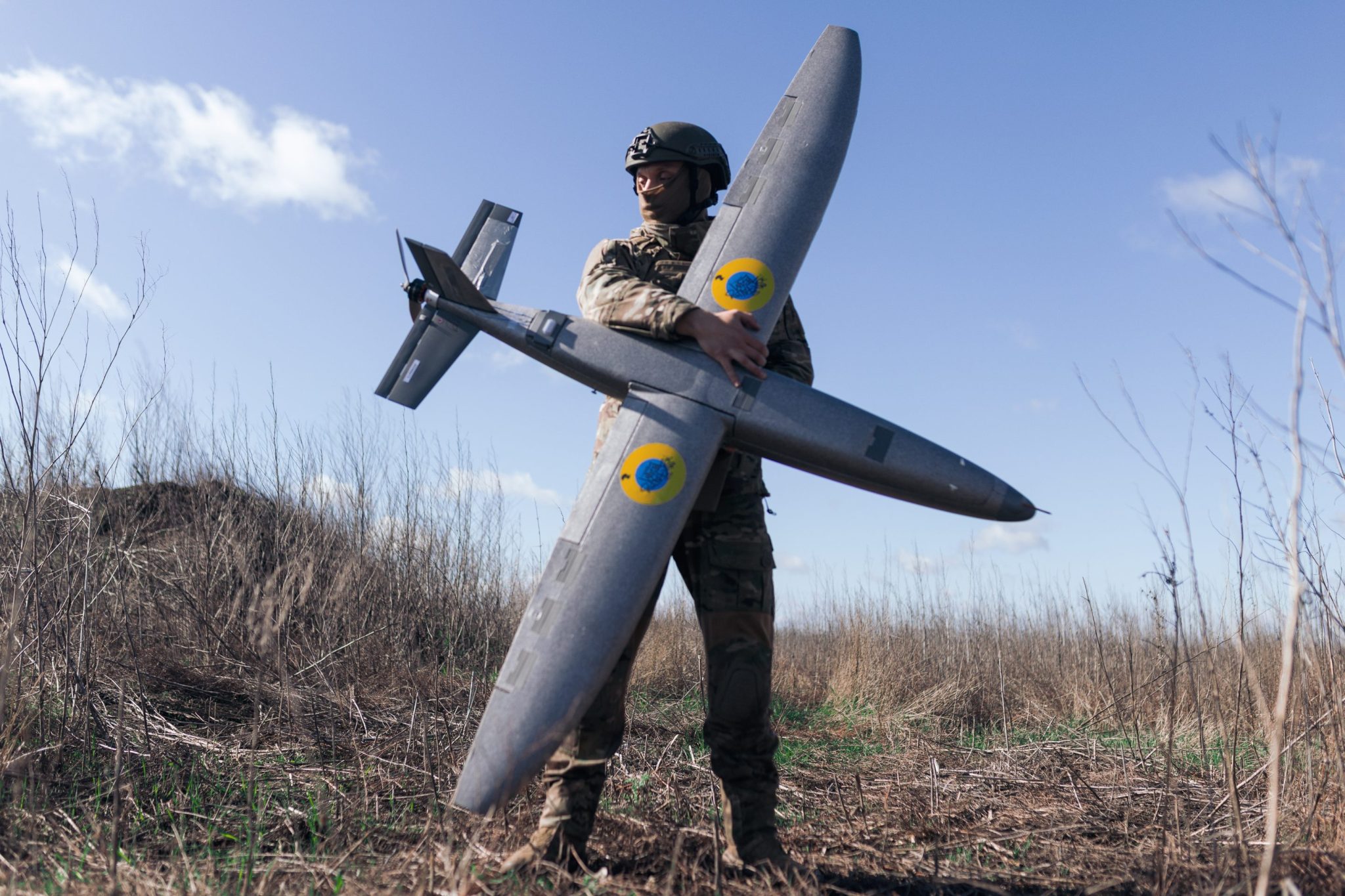
At the same time, Ukraine unleashed its own drone innovations that gave Kyiv the ability to evade air defenses and strike deep inside Russian territory.
Since then, Ukrainian drone attacks have hammered Russian oil infrastructure, further eroding energy revenues, and more recently have disrupted supply lines that connect Russia with occupied territories.
That’s frozen Russian troops in place with Ukraine even making some gains now. Russian casualties also have soared to more than 30,000 a month, draining the Kremlin’s financial resources even more as bigger incentives must be offered to recruit enough replacements and pay out death benefits.
“Ukraine’s success in blunting Russian advances and reversing Russian gains in some sectors of the line, in tandem with Ukraine’s limited reintroduction of elements of tactical mechanized maneuver, may nevertheless mark the beginning of a new phase of the war,” the Institute for the Study of War said in a report on Monday.
The prevalence of drone warfare had previously limited the ability of either side to make much headway. But Ukraine now enjoys “tactical drone supremacy,” according to the think tank.
In fact, for the first time since 2023, Ukraine is starting to regain more ground than it is losing, ISW said, seizing the initiative with new tactics and putting Russia on the back foot.
There’s no single explanation for recent successes, the report noted, citing improved operational planning, new battlefield-management software, and different counterattack techniques.
Still, drones have been key as Kyiv has estimated that it has 1.3 strike drones on the frontline for every 1 Russian drone. Ukraine has grown a domestic defense industrial base that can crank out millions of drones a year, meaning it can send thousands of fresh drones on the battlefield each month.
“Ukrainian forces are achieving temporary tactical drone overmatch in some frontline sectors, which is slowing Russian offensive operations by degrading the effectiveness of Russian shaping operations,” ISW said.