

The cold reality of cutting local tax revenue by billions of dollars a year is starting to dawn on Floridians, who voted to slash property taxes earlier this month.
Amendment 3 expands the so-called homestead exemption, shielding more of a home’s assessed value from taxation. It will nearly triple from $51,400 currently to $150,000 in 2027 and increase again to $250,000 in 2028.
It also lowers the cap on annual assessments on rental and commercial properties from a 10% hike to 5%. The amendment doesn’t apply to school-related property taxes but creates a path for abolishing non-school property taxes completely.
State economists have projected that local governments will lose nearly $5 billion in the first year and nearly $12 billion a year once the exemption is fully phased in.
To be sure, local governments can raise revenue in other ways, such sales taxes and fees. Big cities can also rely more on taxes aimed at tourists, but smaller communities will be hit especially hard with some losing the bulk of their tax base.
Cities are now scrambling to figure out how to fund vital services like police, fire fighters and paramedics as well as roads and other infrastructure with much smaller budgets.
In Deltona, City Manager Doc Dougherty told residents that the Christmas parade was canceled and blamed Amendment 3, warning that cuts wouldn’t end there. He estimated the city’s budget must be cut by $12 million in the coming year and then another $5 million the following year. By 2030, Deltona is expected to cut more than $23 million.
“Even though we have been doing everything right by reducing our tax millage for the past four years, including roll back this year, this is only the beginning of the vast reduction in City
services our residents will face for years to come,” Dougherty wrote in a letter to residents on Saturday.
He added that all city events are effectively cancelled, except for two upcoming 5K runs that are self-supporting. Deltona is also withdrawing vehicle orders, terminating construction contracts, and cancelling professional services to “meet the goal of what was voted for by the residents.”
Elsewhere in Florida, Delray Beach stopped funding its St. Patrick’s Day Parade, St. Petersburg is ending its beach trolley service, and Brevard County is targeting park maintenance, mosquito control, athletic fields, youth sports programs and playground repairs as areas for potential cuts.
Manatee County Commissioner George Kruse gave a similarly bleak assessment of the new revenue landscape. In a Substack post on Nov. 13, he estimated there will be $63 million less in tax revenue next year and $113 million less the following year.
While the state has endured past recessions and real estate crashes that shrank local tax revenue, Kruse pointed out that Amendment 3 is entirely different.
“This isn’t a cycle, this is a permanent, structural shift in how government functions. Forever,” he wrote. “A facility that closes, will stay closed. An employee going part time, will never come back full time. A ‘delay’ in a capital project used to mean later, now it means never.”
To close the massive revenue shortfall, Kruse said a “small fraction” could be covered by adjustments to fees, but the county sheriff must offer a material budget cut too.
He vowed to reject any new sales taxes or higher property tax rates that put a heavier burden on renters and small businesses, while acknowledging that reductions in services will disproportionately affect those most in need of affordability.
“But last week, 65% of Manatee voters said they wanted to forego services and quality of life for lower property taxes,” Kruse added. “So that’s how this Board needs to cover this permanent gap.”
He then went through a list of areas the county must scrutinize, including publicly owned assets, department consolidations, privatization, new infrastructure projects, special tax zones, interlocal agreement, funding for nonprofits, and even “niceties” that provide community spirit.
“That includes sponsorships, parades, movies in the park, holiday events,” Kruse explained. “Everything adds up when trying to fill such a large hole in the budget. We can’t layoff a needed employee while redirecting their salary to firework displays.”
Amendment 3 may also require the county to rethink how it develops, such as favoring rental properties in denser areas over new homes in urban sprawl that entail added infrastructure costs, he noted. But throttling housing supply will raise home prices and rents, worsening the affordability issues that Amendment 3 is supposed to address.
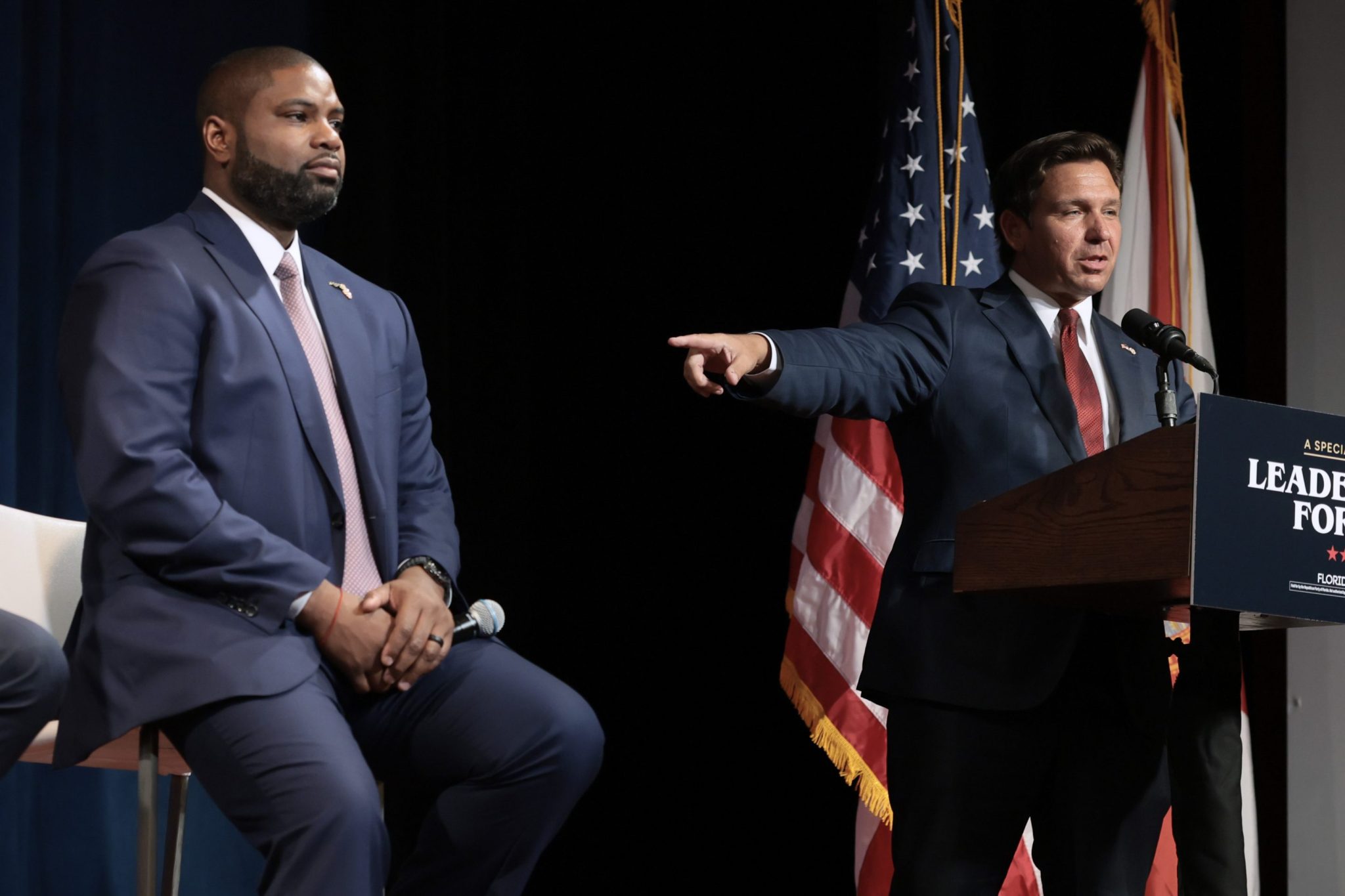
Outgoing Florida Gov. Ron DeSantis, who backed Amendment 3, has dismissed such warnings as “fearmongering” and suggested state grants could offset any budget shortfalls to local agencies. Many details are lacking, and DeSantis has called for a special session of the legislature to spell out exactly how the amendment will work.
But leaders in the state house have said a special session isn’t necessary, with Senate Majority Leader-designate Nick DiCeglie warning local governments against fee hikes. That means DeSantis’ successor, Governor-elect Byron Donalds, will be responsible for dealing with the fallout.
Despite the budget crunch local governments face, DeSantis also urged state lawmakers to block new taxes and fees.
“There won’t be fee hikes if the Legislature stops it. Pass a taxpayer bill of rights, limit local spending and protect against new local taxes and fees,” he posted on X on Wednesday.